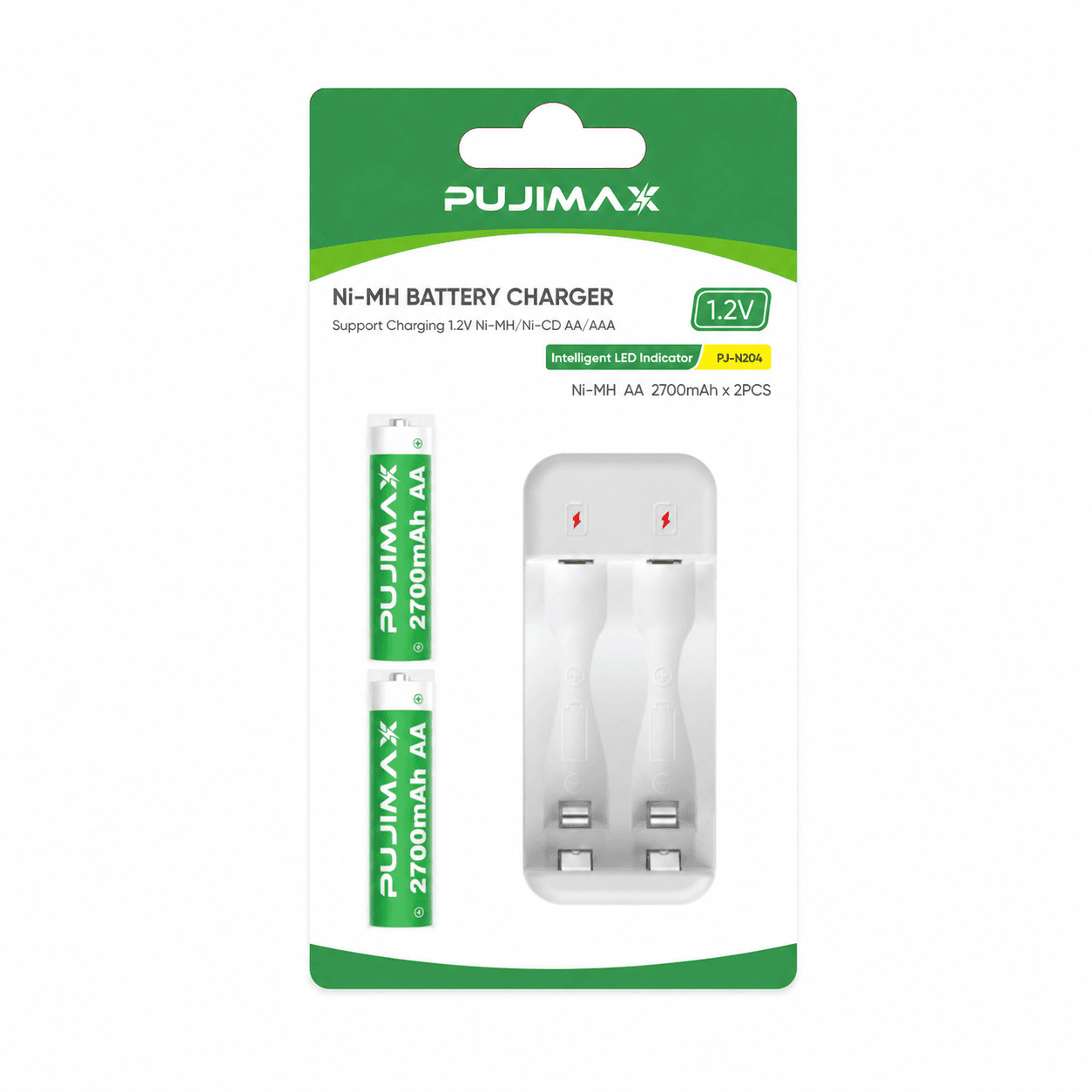

Batteries, chargers and packaging—aligned from the start.
Tell us the device, destination market and volume. We narrow the current model range, arrange samples and check specifications, packaging and documents line by line.
Explore productsProducts
Choose a family, then review the exact image, pack and specification for each model.
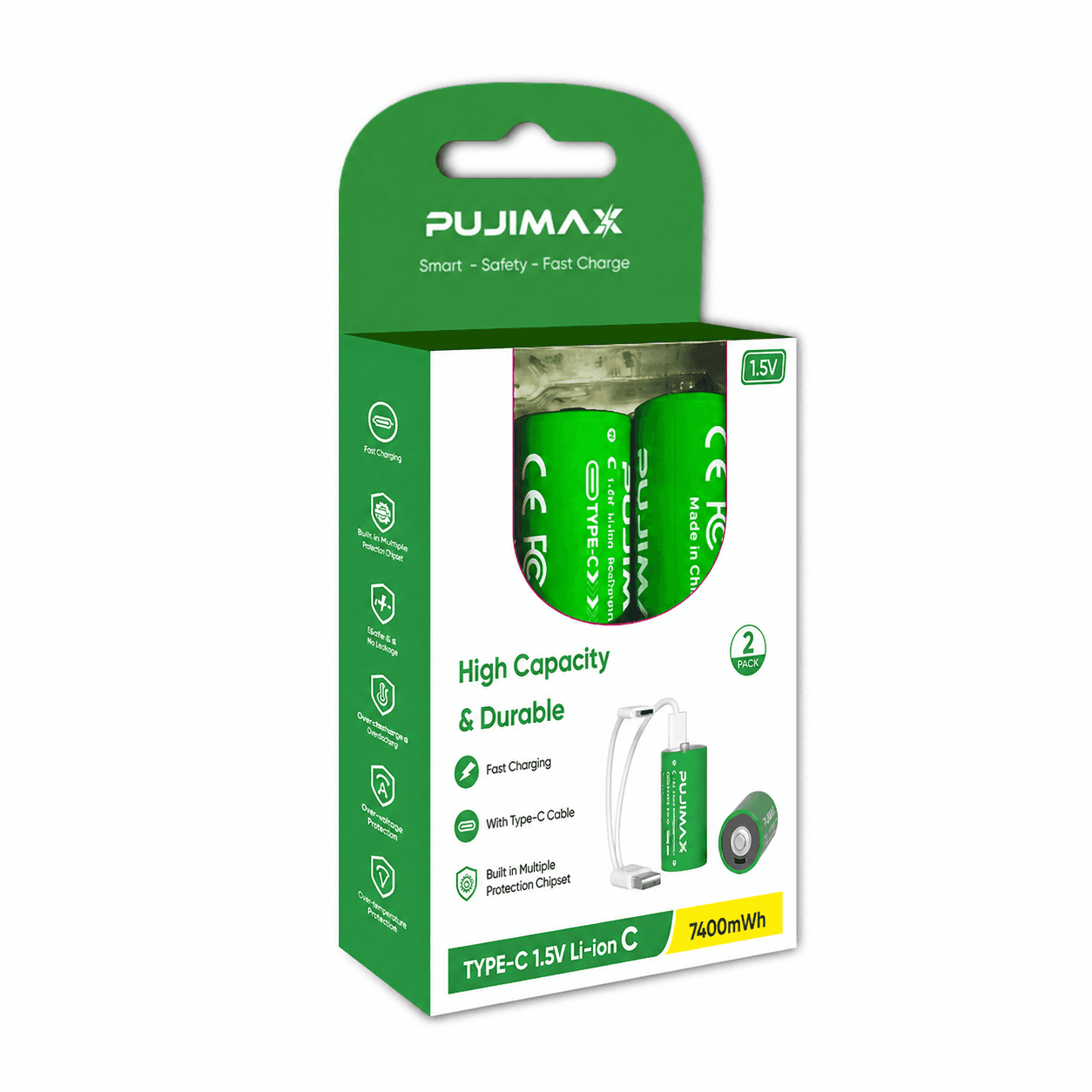
1.5V Type-C rechargeable
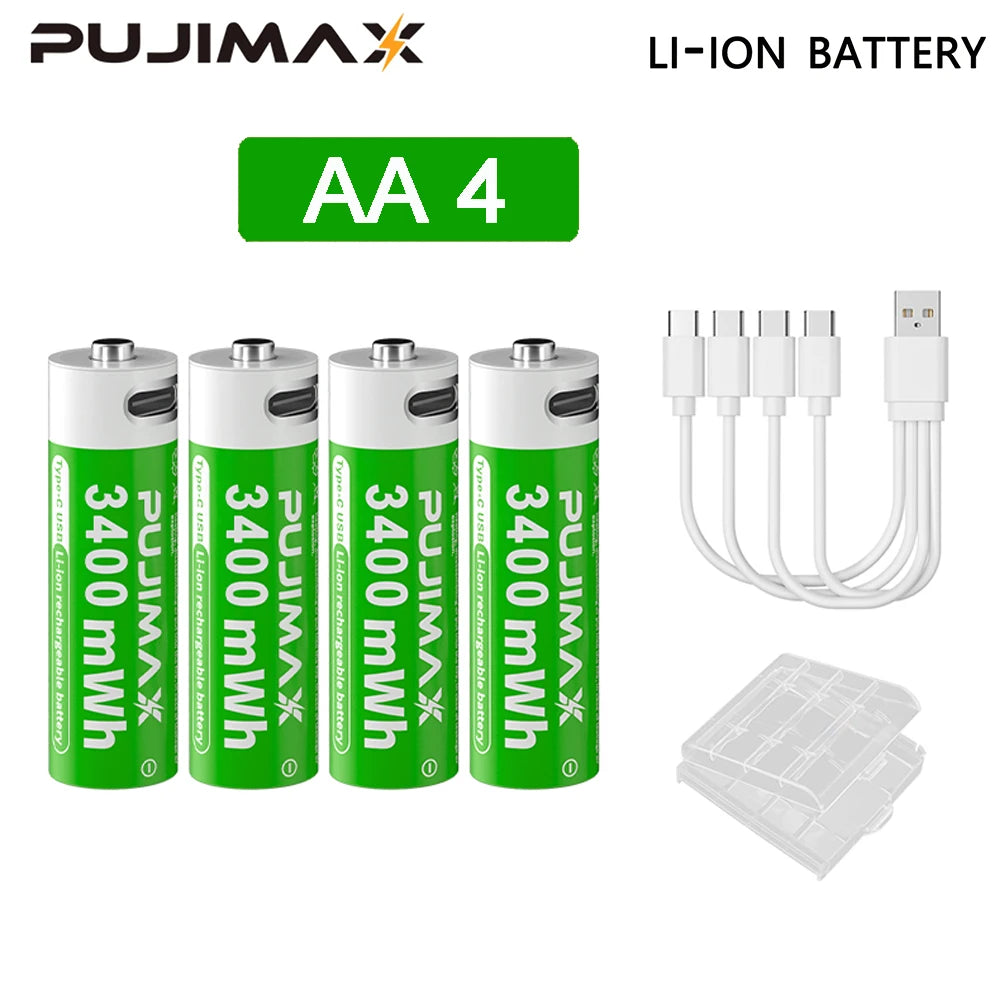
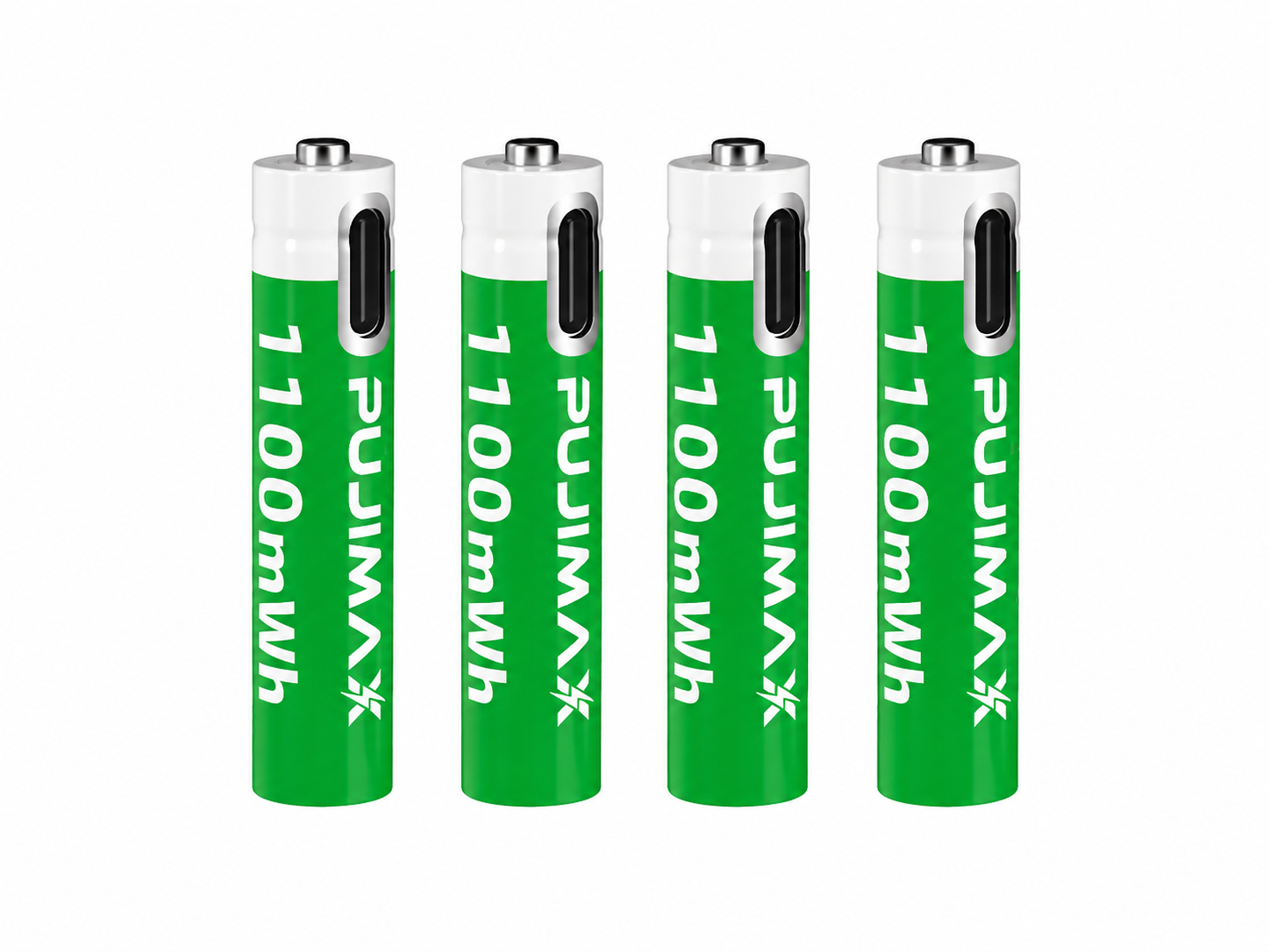
AA, AAA and 9V cells that charge from a USB-C cable and hold a regulated output — no charger cradle needed. Six models, 4 to 16 cells per pack.

AA 1.5V Type-C rechargeable, 16-pack

AA 1.5V Type-C rechargeable with NTC, 12-pack

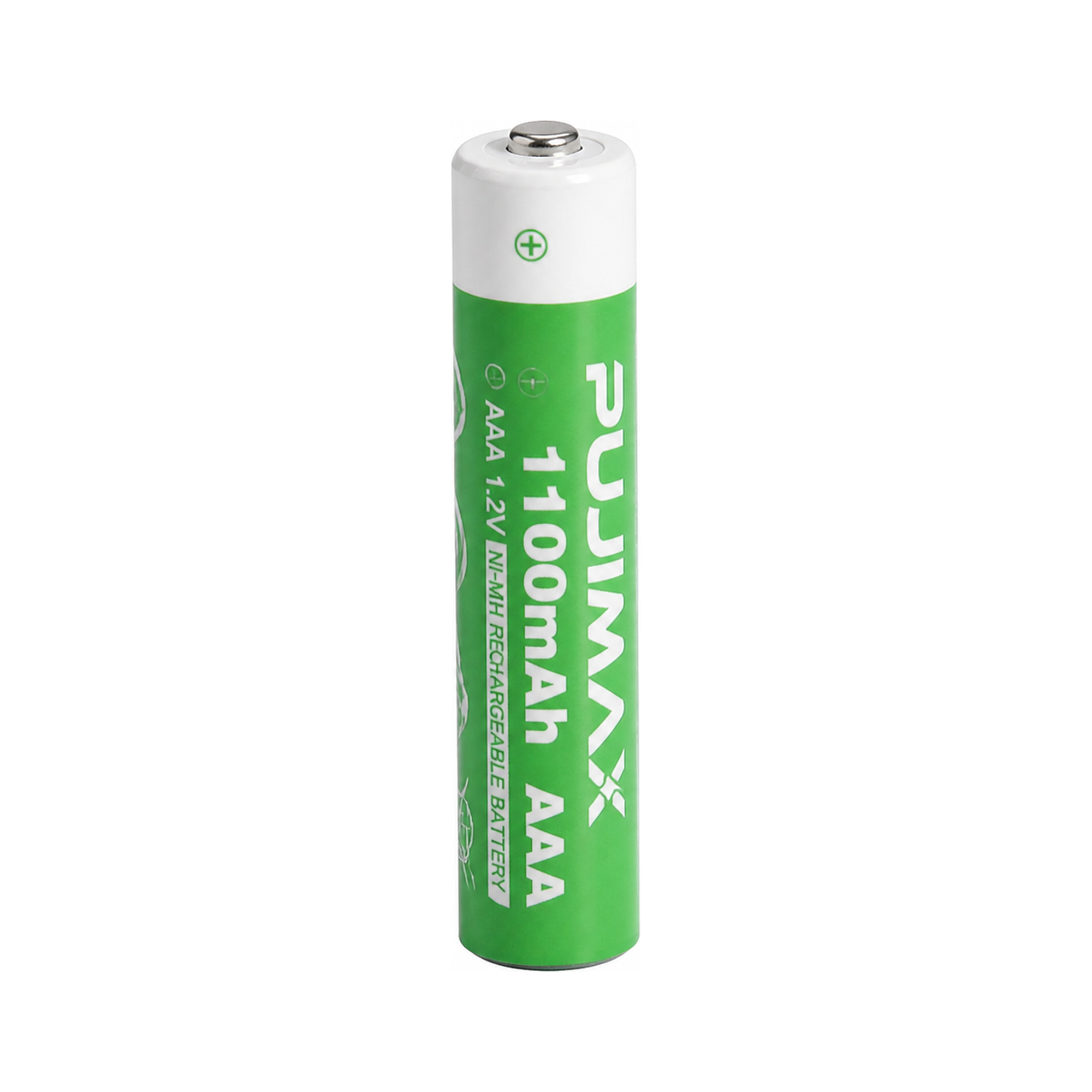
AAA 1.5V Type-C rechargeable, 12-pack

AAA 1.5V Type-C rechargeable, 8-pack with cable

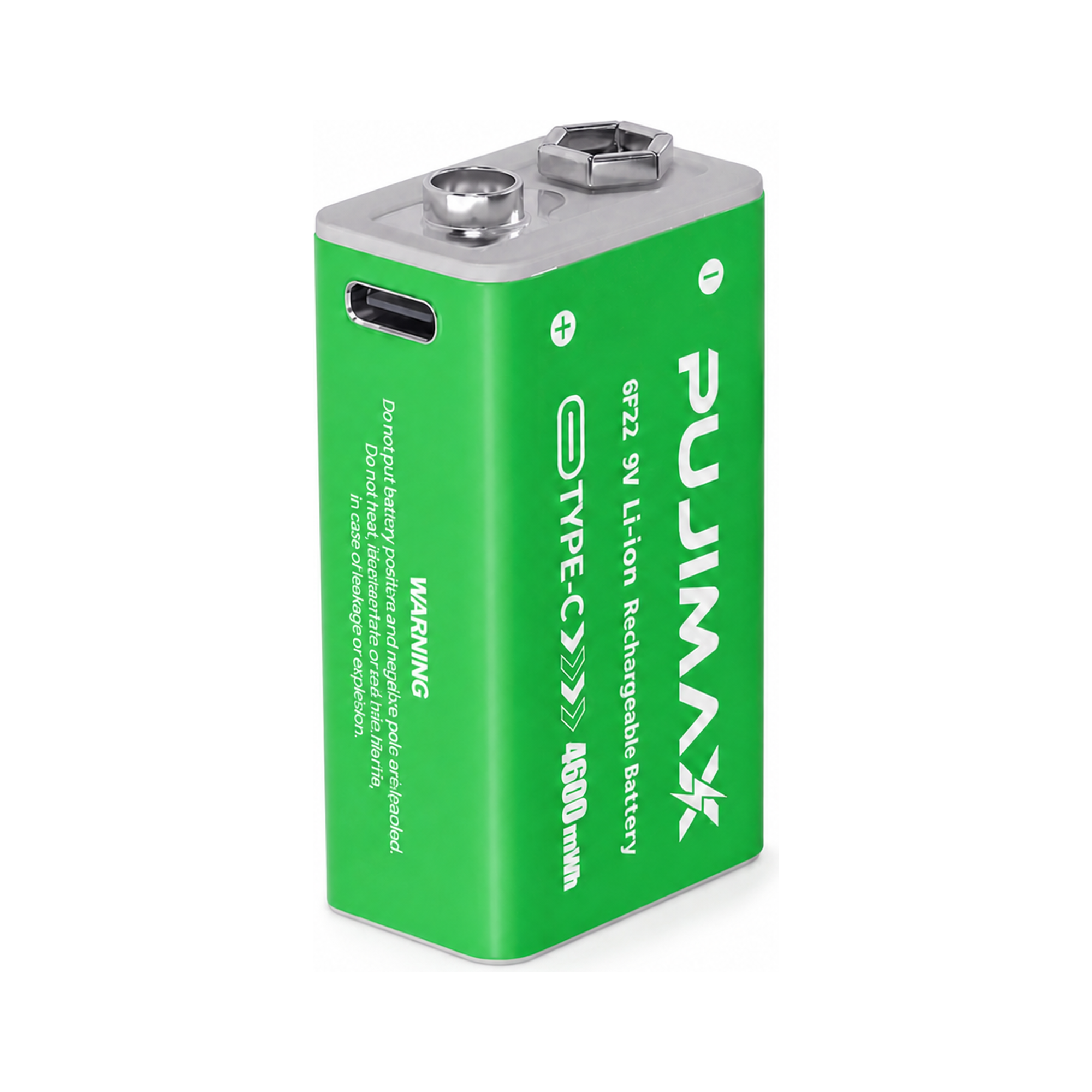
9V / 6F22 Type-C rechargeable, 8-pack

9V / 6F22 Type-C rechargeable, 4-pack
Project-supplied production imageBreak customisation into four things you can approve.
The homepage sets the capability boundary; sampling, pilot and production live on the OEM / ODM page.
Model and kit
Start with a current platform, then confirm voltage, capacity, pack count, cable and kit contents.
See how OEM worksStart with how the device works, then choose the battery.
Standby current, cycle frequency and replacement interval decide more than a capacity headline does. These guides cover the questions we would ask you anyway.

Smart home and security
Locks, sensors and alarms require checks on standby current, short peaks and low-battery behaviour.
- Device cut-off
- Peak current
- Low-battery warning
Our own lines in Dongguan.
Assembly, test and packaging under one roof in Wanjiang. These are photographs from the floor.
Reception
Sleeving line
Test bench
Cell cans
Five machines between an empty can and a finished cell.
Photographed on our own lines in Dongguan.
- 01

Sleeving
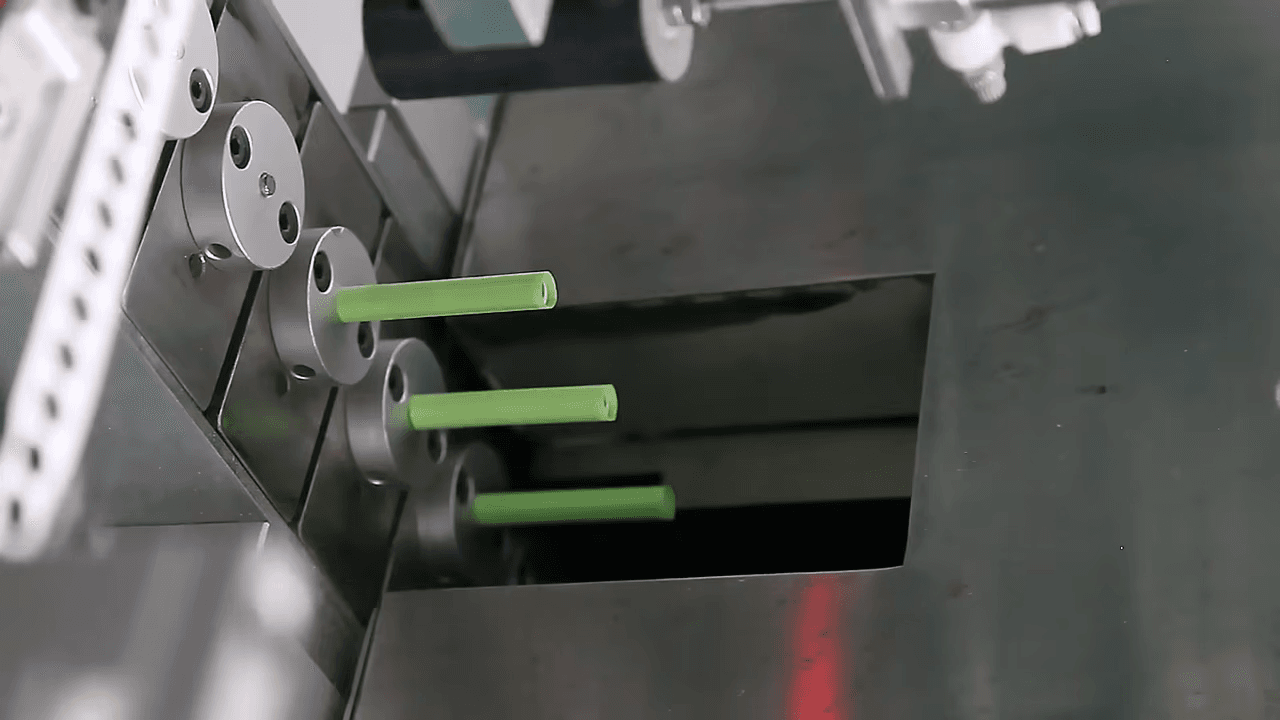
Cells are sleeved automatically, which is what puts the printed wrap and the polarity marking on straight every time.
- 02

Moulding
The moulding area forms components to the shape the cell or charger housing needs.
- 03

Filling
Automatic liquid filling — the dosing step that decides whether cells in the same batch behave the same way.
- 04

Capping
Caps are seated and closed automatically, the seal that keeps the cell from leaking in a customer's device.
- 05

Laser marking
Parameters and logo are laser-engraved rather than printed, so the marking survives handling. This is also where your branding goes on an OEM run.
Environmental chamber
Cell electrical test
Charger function test
Output reading check
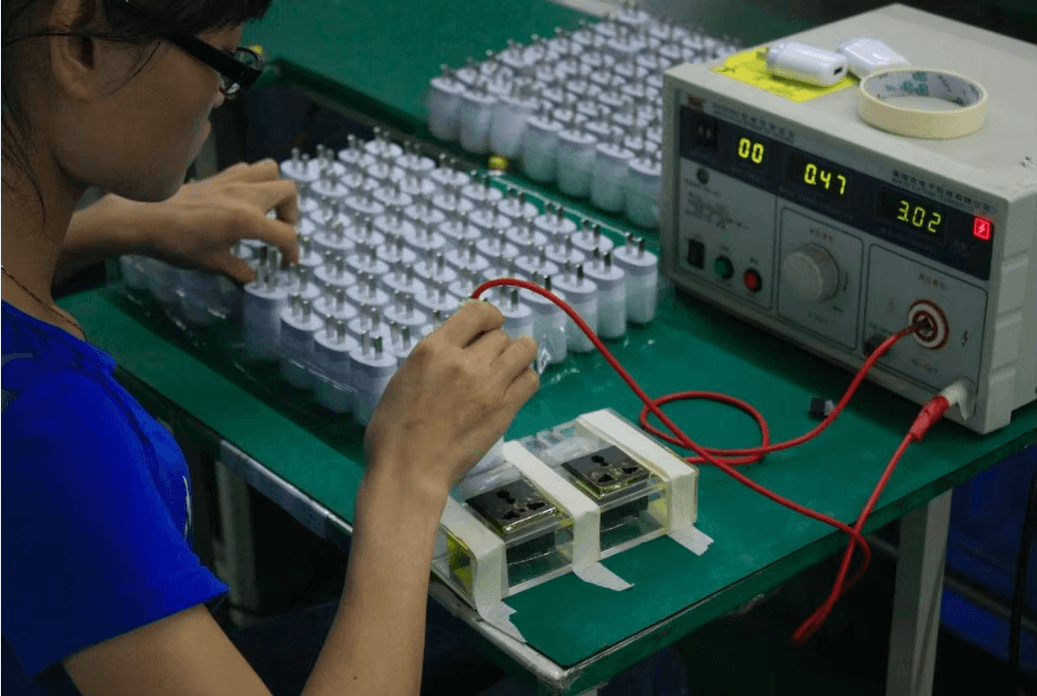
35 test rigs on the floor.
Every cell and charger is checked against its rated output before it is packed. This is what does the checking.
- 20
- Voltage and current testers
- 5
- Charger integrated testers
- 5
- Charger load meters
- 5
- Charger hi-pot testers
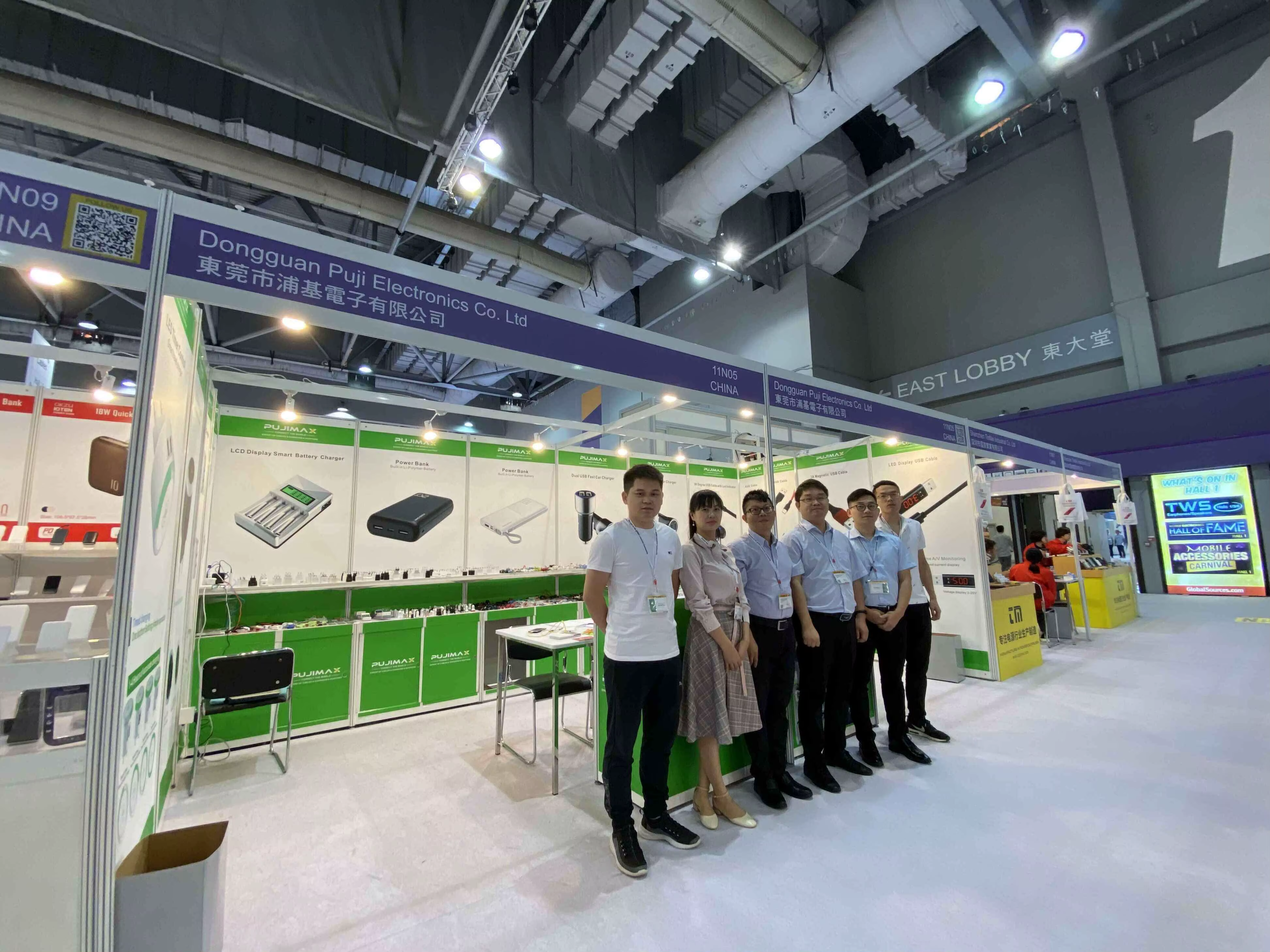
Twelve photos from the stand.
Booth numbers are printed on the banners. The organiser directories are in the records below.
Who you are buying from.
Registered in Dongguan since 2014. Every record below is public and you can check it yourself.
Documents
Issued per model
- EU declarations of conformityTen files, signed by us
- ISO 9001:2015Stamping parts, not cells
Make the buyer's next check easier.
Selection, technical guidance and public records stay here; detailed compliance material lives on the resources page.

How to shortlist a battery chemistry
Five questions about your device that narrow four chemistries down to one, before anyone quotes a price.
Learn more
1.5V USB-C rechargeable vs. 1.2V Ni-MH
The two common rechargeable answers in AA and AAA, and how to tell which one your device actually wants.
Learn more
Battery charger sourcing checklist
Slot count is the easy part. These are the specifications that decide whether the charger is any good.
Learn moreSend the device, market and volume. We will align the model first.
Build your brief on this site, copy it, and send it through our Alibaba storefront — that is where our sales team picks up inquiries today.